
The hospitality industry is one of the fastest-growing and most dynamic sectors in the world, offering countless opportunities for those who are passionate about service, travel, and management. For hotel management students, developing the right combination of technical knowledge and soft skills is essential to excel in this competitive field. Beyond classroom learning, mastering certain core skills can make the difference between being a good professional and becoming an exceptional one.
1. Communication and Interpersonal Skills
Effective communication is the foundation of hospitality. Hotel professionals interact with guests, colleagues, and management daily, often from diverse cultural backgrounds. Clear, polite, and confident communication—both verbal and non-verbal—is key to creating memorable guest experiences. Interpersonal skills also help in handling guest complaints, coordinating with departments, and maintaining positive relationships across all levels of service.
2. Customer Service Excellence
Hospitality is all about delivering satisfaction. A hotel management student must learn how to anticipate guest needs, handle feedback gracefully, and go the extra mile to exceed expectations. Understanding emotional intelligence—empathy, patience, and active listening—is critical in ensuring guests feel valued and cared for. The ability to transform a dissatisfied customer into a loyal one is a hallmark of a true professional.
3. Leadership and Team Management
Hotels operate through teamwork, with departments such as housekeeping, food and beverage, front office, and maintenance working in sync. Strong leadership ensures efficiency, motivation, and morale among staff. Students should develop leadership qualities such as decision-making, problem-solving, time management, and the ability to delegate tasks effectively. Good leaders inspire others, resolve conflicts, and set an example through professionalism and commitment.
4. Multitasking and Organizational Skills
In a fast-paced hospitality environment, no two days are the same. From managing check-ins to coordinating events, multitasking is essential. Being organised helps professionals prioritise tasks, manage stress, and maintain accuracy even during peak hours. Using digital tools for scheduling, inventory management, and event coordination can further enhance operational efficiency.
5. Cultural Awareness and Adaptability
The hospitality industry is global by nature. Guests come from various parts of the world with different cultures, traditions, and expectations. Cultural sensitivity and adaptability allow hotel professionals to provide personalised and respectful service to every guest. Flexibility is equally important—adapting to new technologies, global trends, and evolving guest preferences helps professionals stay ahead in the industry.
6. Financial and Business Acumen
Understanding the financial side of hotel operations is crucial for sustainable management. Students should gain knowledge of budgeting, cost control, revenue management, and marketing strategies. This not only helps in managing daily operations efficiently but also prepares them for leadership positions where strategic decision-making is vital.
7. Culinary and Food & Beverage Knowledge
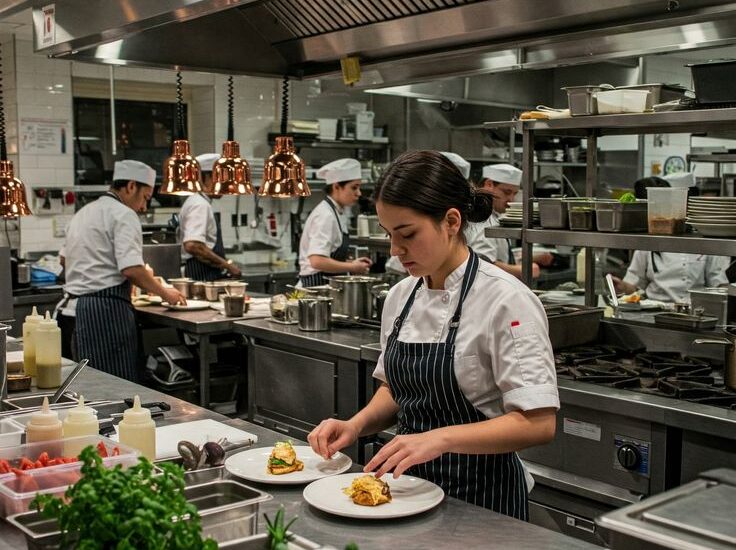
Even if one’s focus is on management, having a foundational understanding of food and beverage operations adds great value. Knowledge about cuisines, hygiene standards, presentation, and menu planning helps in coordinating effectively with chefs and restaurant staff to ensure quality dining experiences for guests.
8. Technology Proficiency
Modern hospitality relies heavily on technology—from reservation systems to guest management software. Familiarity with Property Management Systems (PMS), CRM tools, and online booking platforms enhances operational accuracy and guest engagement. Students should also stay updated on emerging trends like AI-driven service, smart hotel solutions, and digital marketing.
Conclusion
Success in hotel management is not built overnight—it’s the result of continuous learning, adaptability, and passion for service. By mastering these essential skills—communication, leadership, customer service, financial literacy, cultural awareness, and technological competence—students can shape rewarding careers and contribute to the global standard of excellence in hospitality. The future belongs to those who combine skill with empathy, innovation, and dedication to making every guest experience truly unforgettable.